Is the Philippines’ Sulu province reborn after years of Abu Sayyaf horrors?
Sulu was battered by years of clashes between the militants and Philippine troops, but visitors are slowly returning due to better security
Deep in the islands of Sulu province in the southern Philippines, people used to rush home as soon as the sun set, fearing that militants from the Abu Sayyaf group might launch attacks against government security forces, potentially trapping civilians in the crossfire.
Mumarzhen Suhuri, a resident of Patikul – a town once controlled by the Abu Sayyaf – recalled the violence that destroyed the island’s reputation.
“If I’m still in downtown Jolo by six in the evening, I prefer to spend the night there because it’s too dangerous to travel back home to Patikul,” he said while riding a utility vehicle.
Jolo, the capital of Sulu, is less than 30 minutes away by car from Patikul.
“The communities we passed along the way were a no-man’s-land before. Where authorities usually discovered severed heads of a person, remains of victims, and areas where clashes between soldiers and militants took place,” said Suhuri, a town councillor.
Government security forces travelling on the island often had to deploy several military vehicle convoys.

But now, Suhuri claimed, things were different. By sunset, residents would gather at Mauboh Beach, one of the island’s tourist spots, where locals would enjoy the scenery, have dinner, and hang out until nighttime.
Last year, Philippine authorities declared Sulu free of Abu Sayyaf militants, saying all the group’s leaders had been wiped out in military operations.
But locals and visitors are still wary about security at the chain of islands in the country’s far south near the Malaysian part of Borneo.
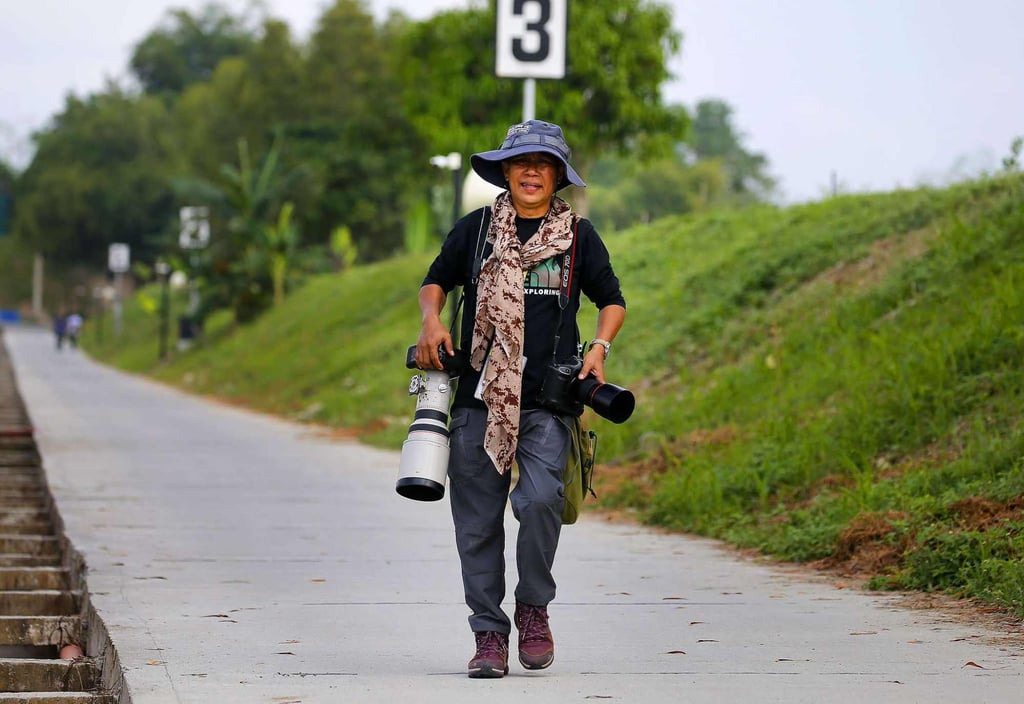
Benajar Hadjan, a freelance photographer from Patikul, said he relocated to Zamboanga City in 2017 due to threats of kidnapping on Sulu.
Hadjan, 52, said relatives of his wife, who were members and supporters of Abu Sayyaf, threatened to abduct him when they learned he was contributing to a European news agency.
“It’s my first time setting foot on the island again [after seven years]. It’s different but I still have reservations,” Hadjan told This Week in Asia.
In Manila, the US embassy still has a travel advisory for Americans to exercise caution when visiting the region due to terrorist and armed groups in the Sulu Archipelago and the Sulu Sea.
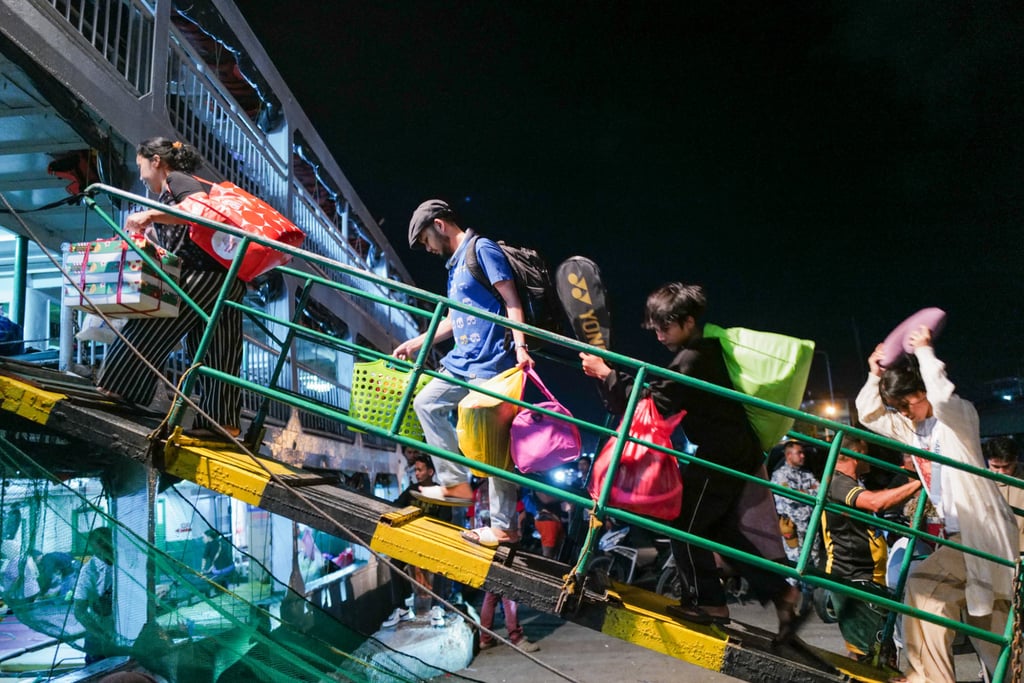
At a ferry bound for Jolo, Fyn Usman Taji, 22, a student of Sulu State College, who was returning to the island from Zamboanga City, felt sad about Sulu’s poor reputation.
“They define us as terrorists. But for me who grew up on the Island, I can say that it’s already safe. Many shops are already open,” Taji said.
Killings of foreign captives
Founded in the 1990s, the Abu Sayyaf is the smallest among Muslim militant groups in the southern Philippines but has long been considered the most violent among them.
In 2001, the group made global headlines after it abducted American couple Gracia and Martin Burham and 18 others from a resort in Palawan. Martin died during a military operation to rescue the hostages.
In 2015, its militants seized three tourists from a luxury marina near Davao City and later separately beheaded and executed two of them - both Canadians.
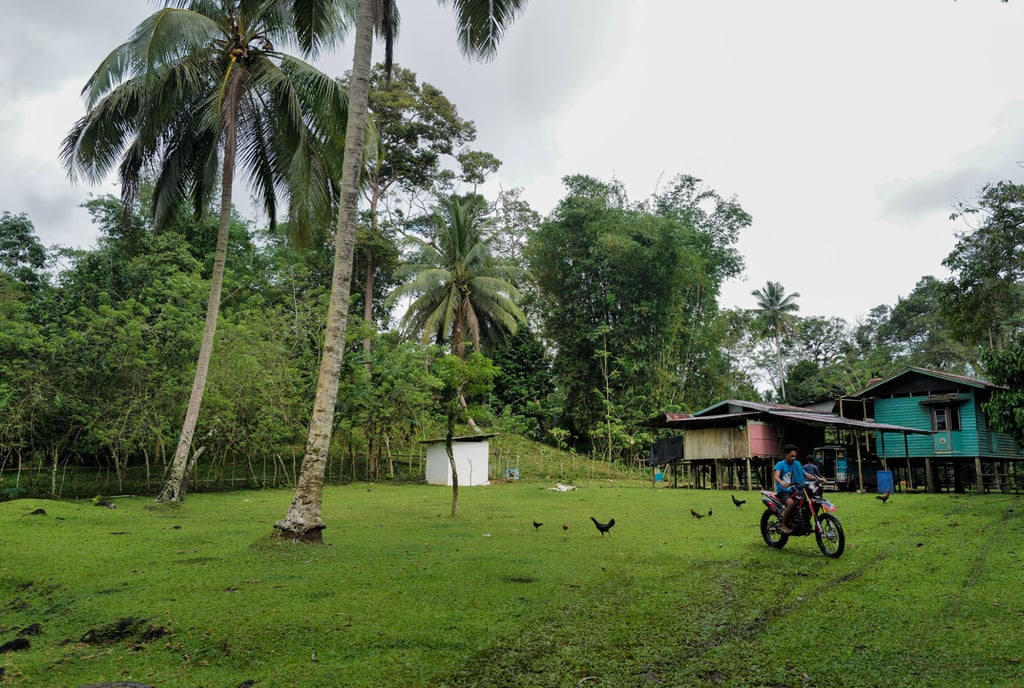
A Malaysian was abducted from a restaurant in Sabah by Abu Sayyaf and beheaded in 2016 after ransom talks failed.
A Chinese national and a Filipino woman were also abducted by the group at a resort in Sabah in 2014 and rescued two months later.
An Indonesian couple carried out a suicide attack in a church in Jolo in 2019, killing 21 others. Separate twin bombings in Jolo in 2020 left 14 people dead.
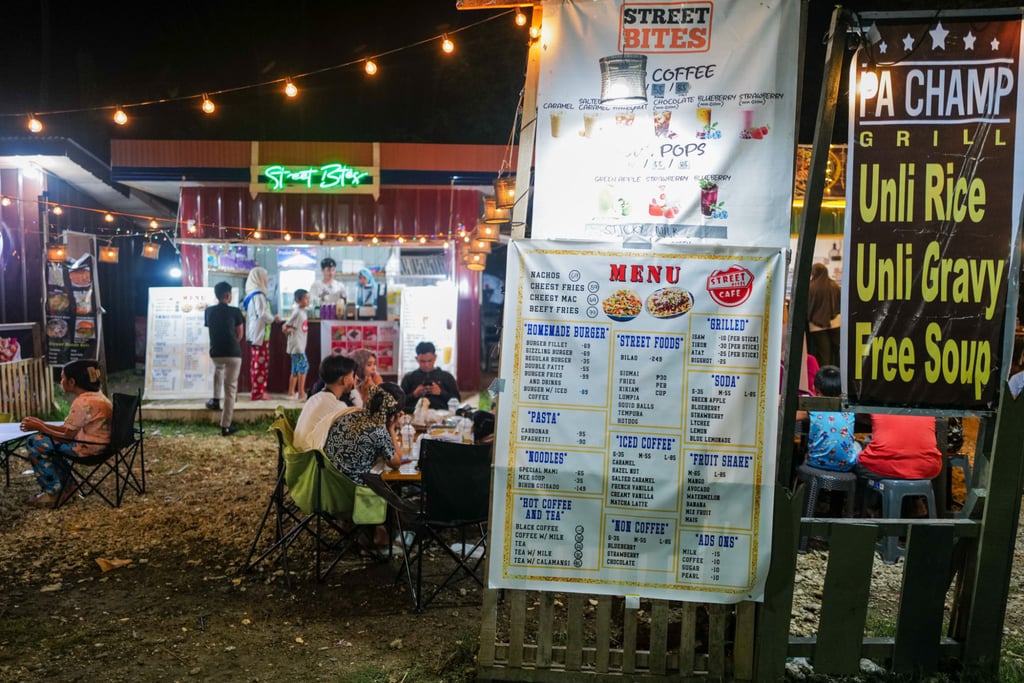
Restaurant and coffee shop owner Sharfiya Jalani Hayudini said: “It’s sad that they [foreigners] think the place is war-torn until now. But now, it’s relatively peaceful. We even have a slogan from terrorism to tourism.”
She told This Week in Asia: “We already achieved peace ... They have to try to come to Sulu and they will see the beauty of the place.”
But Rommel Banlaoi, who heads the Philippine Institute for Peace, Violence and Terrorism Research, blamed the lack of information about Sulu’s current stable situation on limited local resources to promote the island.
“Anywhere in the world, people still have to be cautious. But Sulu is really a new area for people not only outside the Philippines but also inside of the Philippines to consider a destination for tourism … a destination for investment,” he added.
‘Blood is thicker than water’
To prove the island was free of militants, Army Brigadier General Christopher Tampus, chief of 1103rd Brigade, recently toured Mauboh beach in Patikul, one of the island’s top tourist spots, without his weapon and security escorts where he had dinner with two of his colleagues.
Tampus told This Week in Asia that soldiers who had been deployed to Sulu had undergone cultural and religious sensitivity training.
“We started building strong relationships with the people and their local officials. When you respect them, they will trust you in return. In the past, if there was no trust ... That’s one of the reasons the security problem remained unresolved for so many years,” he added.
Tampus cited a programme the authorities have implemented to allow residents to return to their villages as part of efforts to end the community’s support for the Abu Sayyaf.
When Tampus was first assigned to Sulu in 2019, he said about 300 Abu Sayyaf members were operating in the province while half of the local people supported the group.
“Blood is thicker than water. If we only see our enemies are the Abu Sayyaf, we will not win. We are actually fighting the people. That’s why the militants have so many bullets and food supplies in the mountain,” he explained.
As such, Philippine security officials worked hard to gain the trust of the people, understand their needs and enhance security, according to Tampus.
“Some of them have not returned to their villages for almost 10 years because of the insurgency,” Tampus said.
For Abu Sayyaf members who have surrendered, the military has accepted them and helped them reintegrate into society to lead a normal life, Tampus said.
“There were negative impressions, but that’s temporary. We have been able to maintain the peace for more than three years,” Tampus said.
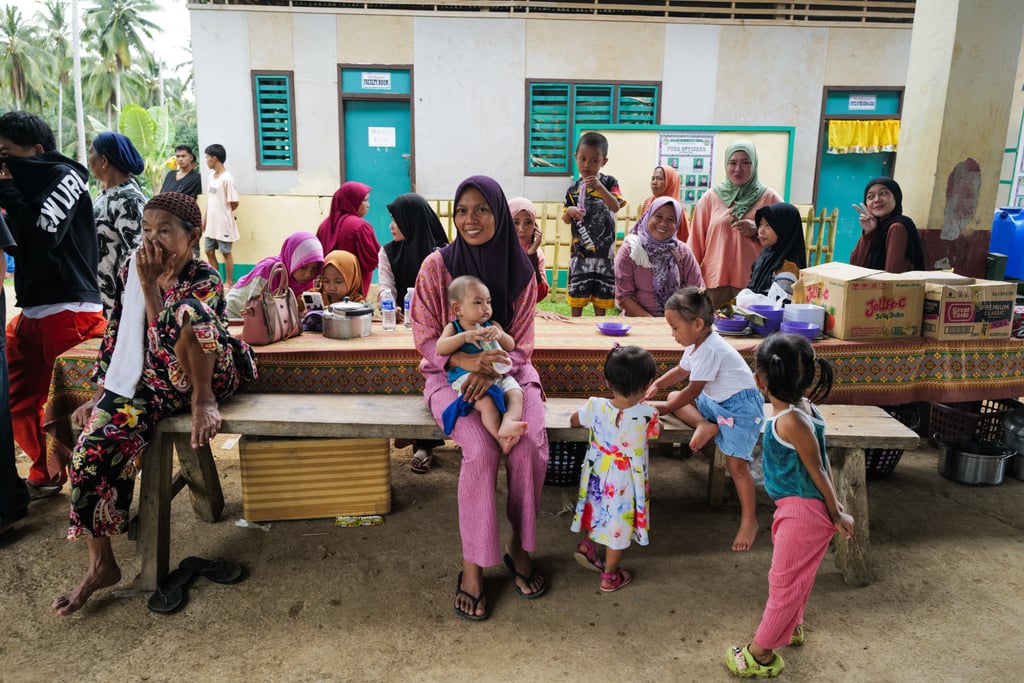
When asked if he would visit Sulu frequently again, Hadjan said he planned to do so and travel with his wife and children to see their relatives and cousins there. He hoped that the island’s improved security conditions would be permanent.
At a recent inauguration of a madrasah in a village in Patikul, Sulu’s Vice Governor Abdusakur “Toto” Tan II said negative perceptions about security on the island have fallen drastically.
Giving his assurance that Sulu was “100 per cent safe”, Tan II said: “Seven years ago, there were fears and uncertainty. But now, it’s peaceful. The commerce, development, and support from the national government came in, and the people in the community benefited. It’s a sign that the place is already peaceful.”

Comments